
I have the unique pleasure of being an adjunct professor at Carnegie Mellon CIDO executive program focused on Digital Product Development. In the session last night, there was a lot of discussion around two critical elements: Purpose and Connection. Although rooted in humanity and our psychology, these two are driving forces in our work-life as well and especially in Product Management.
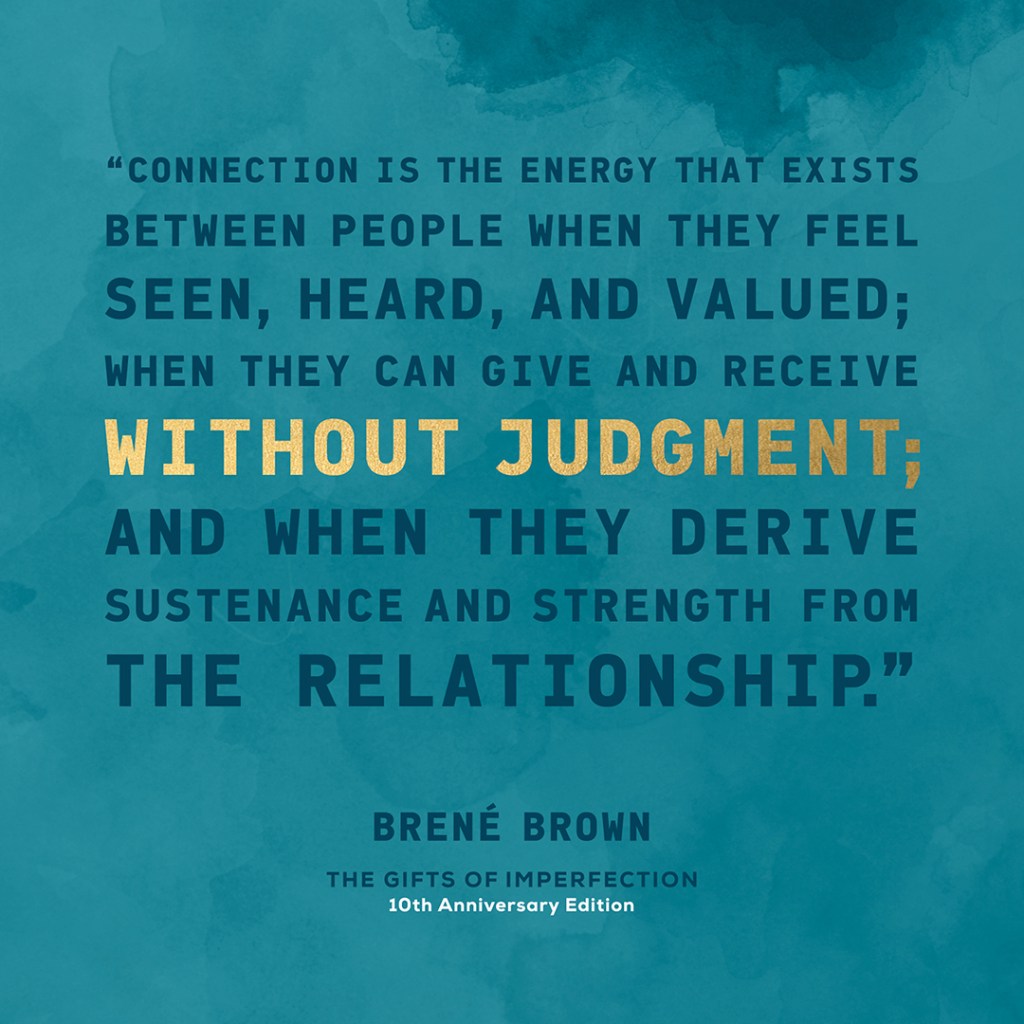
Connection: Brené Brown defines connection as, “the energy that exists between people when they feel seen, heard, and valued; when they can give and receive without judgement; and when they derive sustenance and strength from the relationship…” This is the kernel of our existence as leaders (regardless of org / remit) and as Product Managers. The core team meetings (otherwise known as Product Management Teams or Cross Functional Product Teams) are appropriately frequent and predictable gatherings with the objective of connecting the organization together. To not only be connected as a team but also to feel a part of something bigger than yourself.
To encourage this environment, set your agendas to have other participants take point. Allocate your Core Team meetings to focus on the remit of others (i.e. Customer Call Volumes, Technology Updates, Sales FCST, Product Roadmap, Financial reviews, etc…). This invites collaboration and connecting the important efforts to have an outstanding product.
Additionally, the StageGate process not only invites the connections across the organization but essentially enforces it. These critical ceremonies enable Senior Leaders to be brought into the discussions at critical times (Ideation, Development, Verification / Validation, Commercial Launch, etc…) to provide guidance but most importantly, alignment. They remain connected through their own org representative, but also by showing up; their leadership is on display (for better or for worse) to help execute the product roadmap. The time between each StageGate empowers the Product Core Teams to work together and solve the tactical efforts needed. Again…this team connection is paramount to the team’s success and is essential to the individuals. I can’t emphasize this more than this: everyone is striving for connection.
One note…StageGate discussions are not “check the boxes” exercises. Sending in emails that you have completed a task is not connecting with the organization; its process for process sake. The real value of a StageGate is the human connection and celebration to the team’s success. Everyone wants to connect with success.
Purpose: This can easily take a turn into a philosophical or religious bent regarding the essence of humanity, but’s forego that for now. Let’s stay centered on the purpose for the sake of purpose. We wake up every day wanting, striving, leading, needing value or, in other words, “purpose”. As before, organizational leaders and Product Managers are sharing, aligning and “corralling the cats” to align with a collective conscienceless.
But….how?
From my experience, this is achieved in the “why”. Frequently and ofter answer the question. “Why do what we do?” Not the outcome, not the what….but in the why. You can see this in Simon Sinek’s TED talk found here: https://www.youtube.com/watch?v=u4ZoJKF_VuA&t=276s. Start at 1:50 min you will see the focus on the why we do what we do. The purpose is intrinsic in our every-day lives, but Simon’s talk is how to articulate our purpose in a way that resonate with most. In this, we see this happen from time and time again. The Agile perspective of, “As a…I can…so that….” (purpose). From a water fall point of view, the requirements give desired outcomes (purpose), SixSigma addresses purpose in the CTQs.
In the end, the two elements are in the DNA of every successful product and product team. For those of use that work in the technology field, we get caught up in the bits and bytes, but it’s the human element that makes it all happen. The point here is this….no matter what the outcome may be, stay focused on community, the collective direction and the emotional need of being a team.
 baseunitedconsulting.com
Leave a comment